
What Is Tight-Access Crane Hire (And When You Actually Need It)
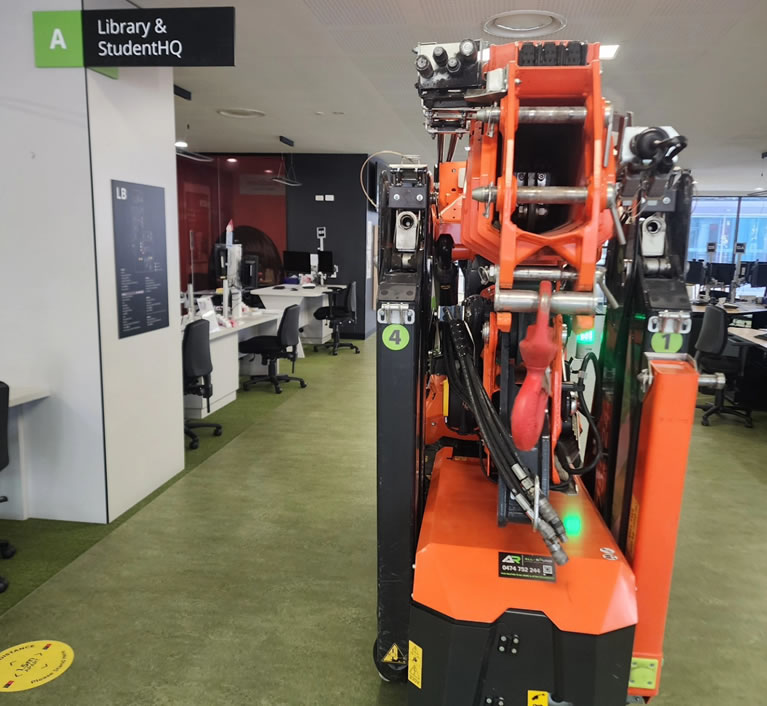
Tight-access crane hire refers to lifting work carried out in spaces where standard cranes physically cannot operate—indoors, between buildings, down narrow driveways, or on sites restricted by access, weight limits, or surrounding infrastructure.
This type of lifting is not defined by load size alone. It is defined by constraints.
If access, clearance, noise, emissions, or safety controls are limiting factors on your site, tight-access lifting is no longer optional—it becomes the only viable approach.
“When space is limited, timelines are tight, and mistakes aren’t an option, you don’t need more equipment — you need the right lifting solution, planned properly and executed safely.”
All Round Lifting Solutions
What Makes a Lift “Tight Access”?
A lift is considered tight access when one or more of the following conditions apply:
-
Entry points are too narrow for conventional cranes
-
The lift must be completed inside a building
-
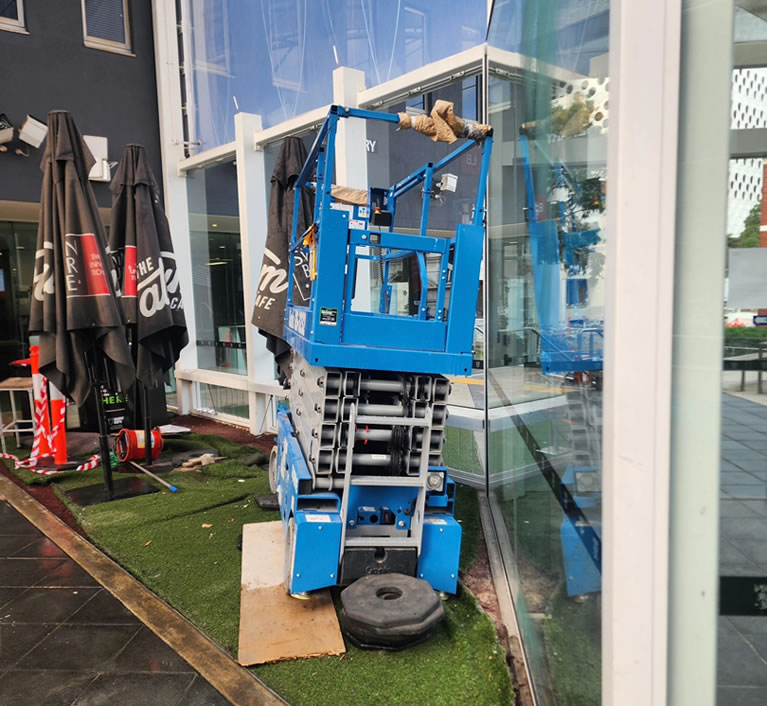
Ground conditions cannot support heavy outrigger loads
-
Nearby structures, power lines, or public areas restrict crane positioning
-
Noise, emissions, or floor damage must be avoided
-
The site leaves no room for repositioning or error
In these environments, bigger cranes increase risk rather than reduce it.
When Tight-Access Crane Hire Is Actually Required
Tight-access lifting is typically required for:
Internal Works
Installing steel, machinery, glazing, or tanks inside factories, warehouses, or food-grade facilities where exhaust fumes, noise, and floor damage are unacceptable.
Electric mini cranes with non-marking tracks allow lifts to be completed safely without shutting down operations or damaging finished surfaces.
Narrow or Restricted Access Sites
Residential and urban projects often involve:
-
Tight driveways
-
Zero side access
-
Close neighbouring structures
Compact city cranes and mini crawler cranes can reach over buildings or operate within footprints that standard cranes simply cannot enter.
Glazing & Fragile Lifts
Large glass panels require controlled, millimetre-accurate placement, especially in confined areas.
Tight-access crane hire paired with vacuum lifters reduces breakage risk and allows installers to position panels safely without manual handling.
Mechanical & HVAC Lifts
Plant rooms, rooftops, and indoor mechanical spaces often combine restricted access with heavy equipment.
Planned tight-access lifts allow equipment change-outs to occur quickly—often out of hours—reducing downtime for commercial facilities. Tight-access crane hire avoids these issues by designing the lift around the constraints, not forcing the site to accommodate the crane.
Using the wrong crane in a restricted environment leads to predictable problems:
- Unsafe working distances
- Excessive ground loading
- Increased risk to nearby structures
What Tight-Access Crane Hire Involves (Beyond the Crane)
Tight-access work is never just equipment hire.
A proper tight-access lift includes:
-
Site inspection and access assessment
-
Lift planning and risk identification
-
Selection of the correct compact or electric crane
-
Coordination of permits, spotters, or traffic control if required
-
Operators experienced in confined and sensitive environments
Without this planning layer, tight-access lifting becomes high-risk very quickly.
Is Tight-Access Crane Hire Right for Your Project?
Tight-access crane hire is typically the right solution if:
-
The lift must occur indoors or in a finished environment
-
Access cannot be widened or modified
-
Safety margins are tight
-
Precision matters more than speed
-
Failure or damage would be costly
If your project already feels “awkward,” “tight,” or “too close for comfort,” that is usually the first sign a tight-access solution is required.